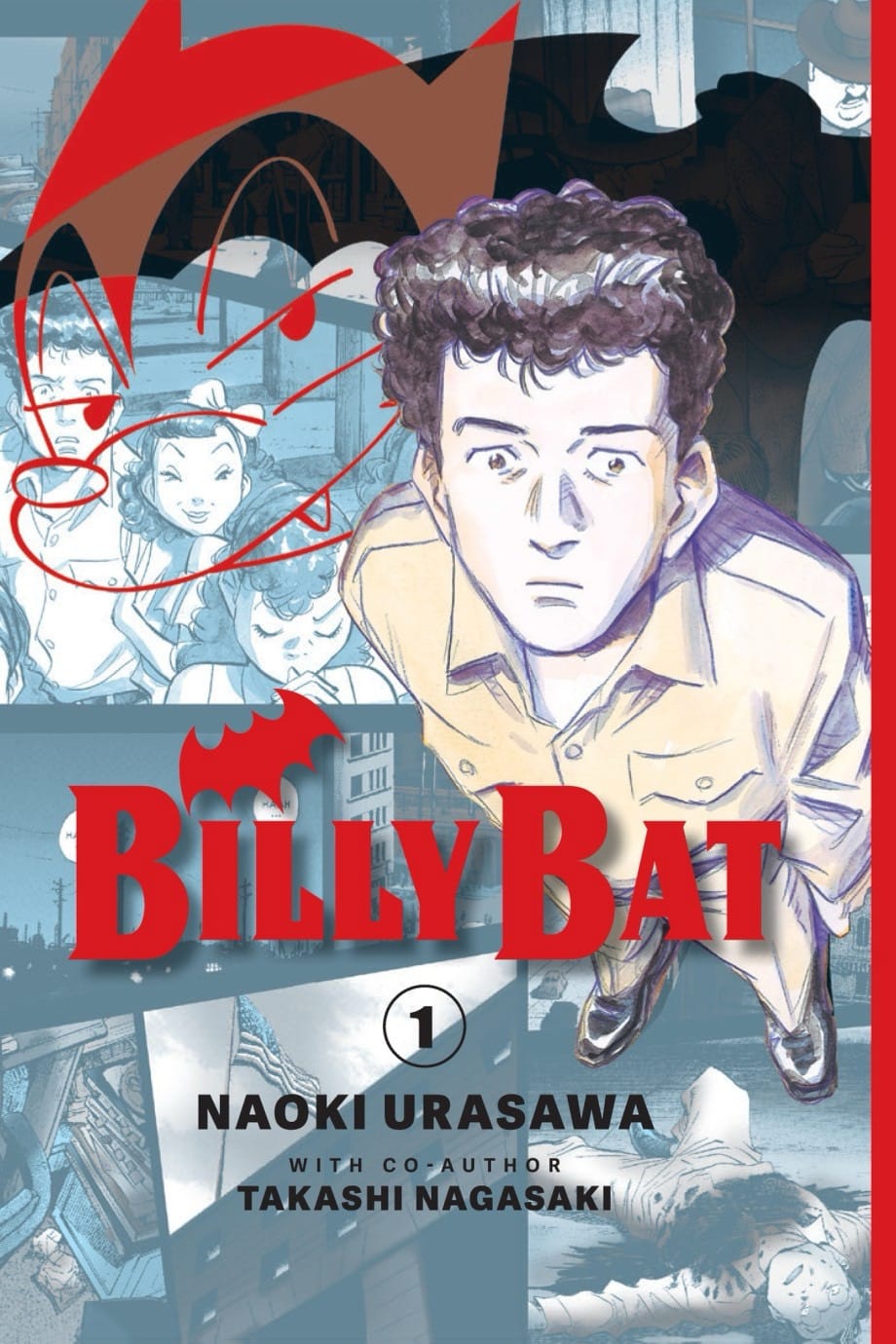
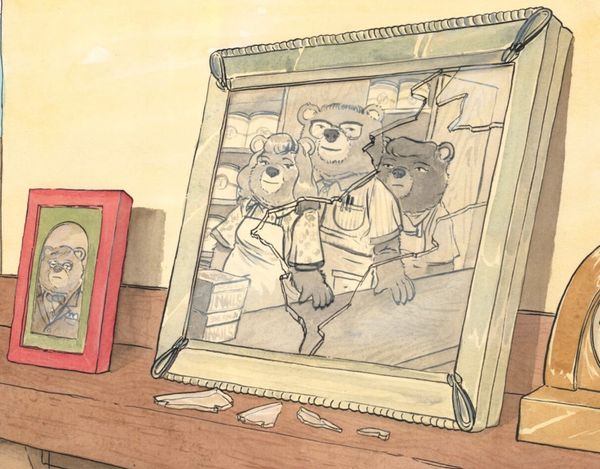
Urasawa explores the mystery of manga in Billy Bat Volume 1
Opening with a couple of chapters of Billy Bat comic, Naoki Urasawa exhibits a playfulness in that we have rarely seen from him before.

Looking at Naoki Urasawa’s previous two long-running series, Monster and 20th/21st Century Boys (Pluto is 6 volumes and Asadora is only up to volume 9), the first volumes tell you everything and nothing about what those series were going to be. When starting these 20+ volume series, the introductory volumes of Monster and 20th Century Boys introduced characters, high concepts, and the tone of what the series would be. Still, both of those series were so much more than those introductions. For Urasawa, these first volumes function as step into this world, something to tease and prime the audience (and maybe the creators as well) for everything that’s going to be coming from these series. Billy Bat Volume 1 is a thriller, the story of a normal man pulled into extraordinary circumstances (so actually somewhat similar to Monster), but is that the story, or is this going to evolve into something else before it ends?
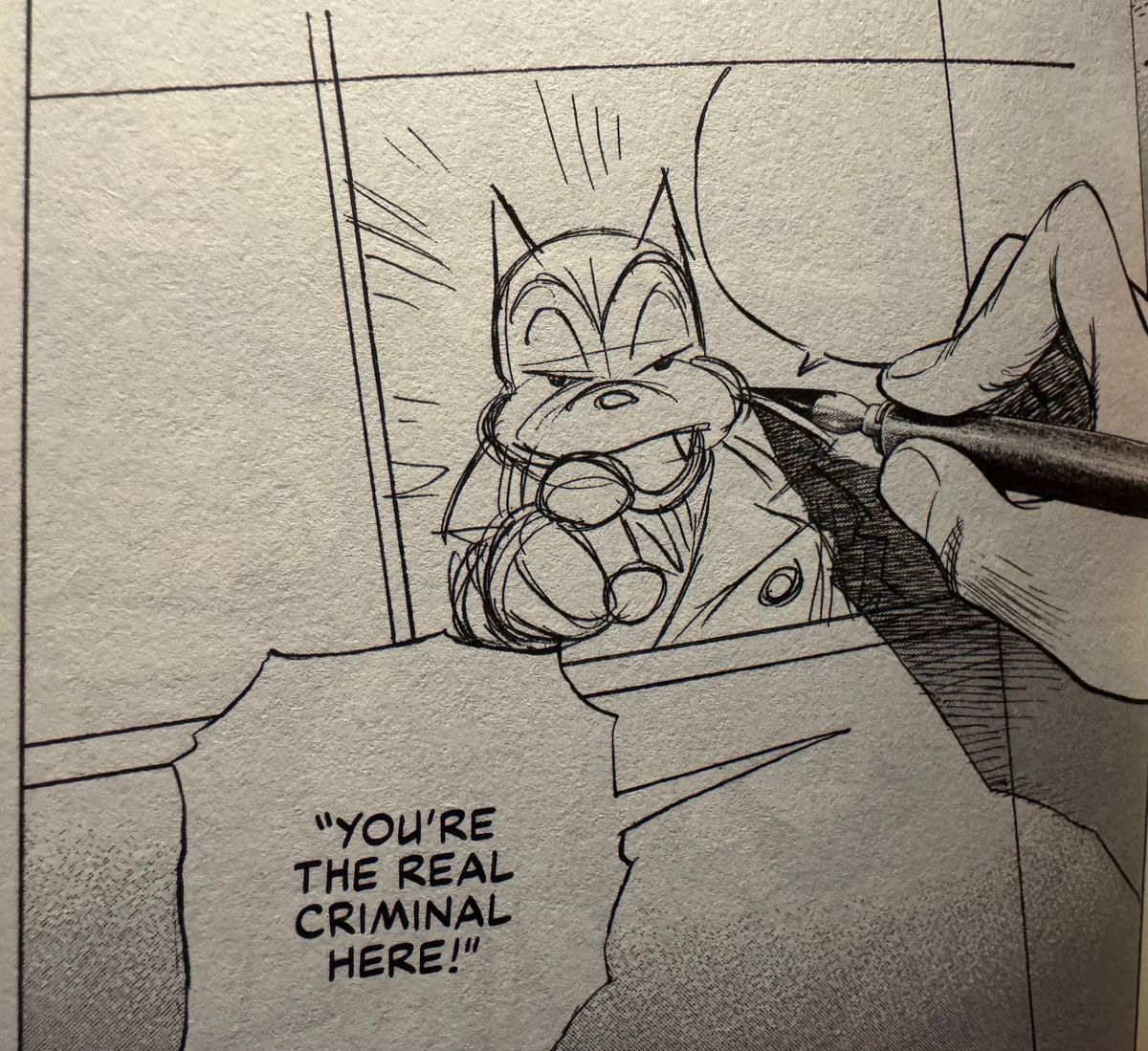
BillIn the years following Wor. ld War II, Kevin Yamagata is the Japanese/American creator of the success comic book Billy Bat, a hard boiled anthropomorphic detective. When someone points out that his character Billy Bat is the same as a manga character, Kevin travels back to Japan where he served as an interpreter during the war, trying to track down the mangaka that he suddenly thinks he’s unintentionally plagiarizing. Once in Japan, Kevin is pulled into a mysterious world where the events in the manga appear to be controlling the events in the real world, including the killing of people around Kevin. Even though he’s been in Japan before, Urasawa and co-author Takashi Nagasaki set up Kevin as a classic stranger-in-a-strange-world character, totally out of his element and his depth of any experience he’s had before.
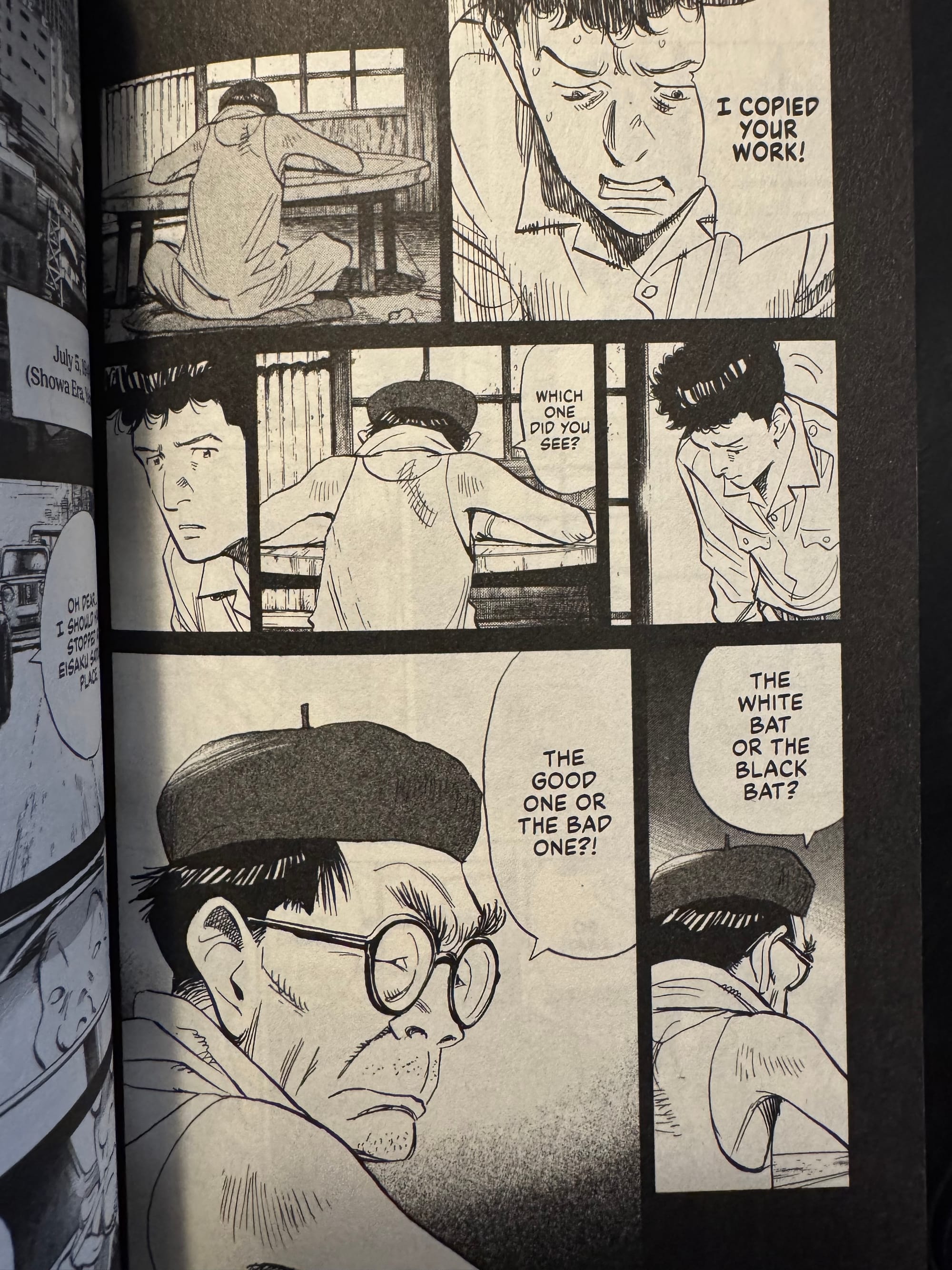
It starts simply enough with a cartoonist who thinks he unintentionally ripped off another cartoonist and wants to try to make amends for it. So the opening is equal parts post-war story and a meta story about cartooning. But once Kevin hits Japan and starts his quest to find the mangaka, it’s like he’s stepped into his own, private Wonderland. It’s the world but a twisted version of it. During the war, he had been stationed here but for this story, it’s like he’s stepped into this city for the first time— it’s familiar he’s changed since he was an interpreter so the city has changed. It’s dangerous in ways that he cannot see or imagine.
Opening with a couple of chapters of Kevin’s Billy Bat comic, Urasawa exhibits a playfulness in that we have rarely seen from him before. The story-in-the-story of Billy Bat getting hired by a guy to follow his wife and prove her unfaithfulness primes the us for a mystery. It’s a relatively standard gumshoe story- a private eye takes the wrong case and gets pulled into something more than he expected. Billy Bat’s story is different than Kevin’s but it’s a wonderful entry into this new series and prepares us for a much bigger mystery than just a cheating wife.
On this journey, Kevin meets all kinds of people, each with their own motivations and intentions. This is probably one of the hallmarks of Urasawa’s storytelling- the richness and depth of his characters. Some want to help Kevin, some want to take advantage of him, and some are there to unload their burdens on Kevin. There’s no such thing as a bit player in a Urasawa story; they’re all crucial and add something essential to the story. The little boy who guides Kevin through Tokyo is as important to the story as the young woman who leads him deeper into the mystery.
It’s not like there’s a lot of action in this book so Urasawa has to build his mystery by posing the question of “where did Billy Bat come from” and then he has to draw us into the mystery more right alongside Kevin. For this story to work, we’ve got to be as lost and disoriented as the protagonist is. And Urasawa does that by introducing all of these characters, creating a link between them and this deepening chasm of mysticism and murder that Kevin (and by extension us, the audience) finds himself drawn into. It’s in these people that Urasawa reveals a whole world to us.
Urasawa tells this story through these people’s faces and their actions. Kevin, a man who discovers that the world is not what he thought it was, goes through so many stages in this book. Urasawa draws him confused, disoriented, angry, lost, and mystified by the events around him. He finds multiple guides in the story— a young boy, a fellow interpreter from the army, the inscrutable Kurusu, and the mangaka Zofu Karama. Each of these men is a puzzle that slowly unveil this mystery to Kevin. They each begin the process of revealing what this world and this story is going to be.
Like Kevin in Billy Bat Volume 1, Urasawa is finding his way into this series. He sets up the mystery— what actually is Billy Bat— and deliberately starts pulling back these layers to delve deeper into that question but this is still the early chapters of this story. And knowing Urasawa from other stories he’s told, we’re only have a surface level view of what this story is going to be. There’s they mystery in the story but there’s also the mystery of what this story is going to be? What is Kevin going to discover about himself and the world as he gets pulled deeper into this unexplored view of Tokyo.